

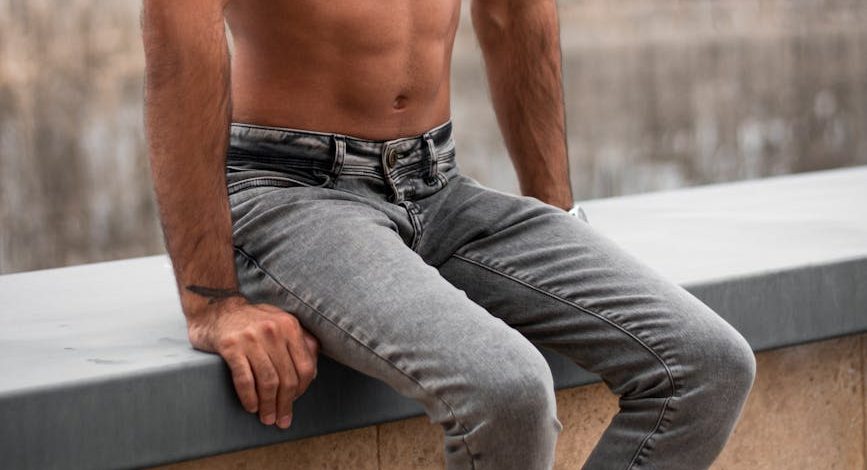
Yes, objectively, someone wearing a thong can be sexy. It’s an exposed rear framed by fabric, and being the one wearing it can make you feel hot.
It’s no wonder that, in the world of menswear, the thong is often trapped in a single, narrow category: an “erotic” or “performative” garment. For many thong brands, the marketing focuses on aesthetics, lean physiques, showy designs, and the “wow” factor.
But there is a growing number of men who wear them daily, and surprisingly, the appeal has nothing to do with being “sexy.”
In reality, a well-designed thong is high-performance, anatomical underwear. When you look at its actual functionality, rather than just its “sex appeal”, it can end up being the most logical solution to the problems of male support and comfort.
Traditional underwear like boxers and briefs either rely on letting your manhood swing about or squashing everything against the body to keep things still. The thong takes a different approach.
It uses a contoured pouch, held in place by the light tension of the back strap. It cradles and lifts you, holding you secure without squeezing. This provides a level of comfort and support that is unparalleled, especially during physical activity. It isn’t about showing off; it’s about the security of knowing you won’t need to manually re-adjust yourself every time you stand up from your desk or exit a car.
As you move, your muscles contract and relax, and your limbs move. The modern boxer-brief covers an area with large muscle groups and a lot of movement, so that the fabric is pulled and pushed, working against your muscles. Gradually, it all works its way to a neutral position, bunching upward into the bum crack and around the groin, leading to the dreaded wedgie feeling and inner-thigh chafing.
By reducing the amount of fabric and having it start in that neutral position between the cheeks, the thong avoids any fabric migration. The thin strap, rather than a mass of loose fabric, means the wedgie feeling disappears. The lack of resistance against the muscles and joints allows for a greater range of motion, and your outerwear can glide over your skin. The lack of bunching material makes the act of walking or moving feel lighter and more streamlined.
During warm, humid summers or when things get rainy, moisture can build up around the groin, causing discomfort, chafing, and material sagging. Because of their reduced material and against-the-skin coverage, thongs maximise skin-to-air contact. They allow your body’s natural cooling system to function and don’t trap pockets of damp air like boxers do. Staying dry and cool isn’t “sexy”, it’s comfortable.
There is a unique sensory benefit to the thong that is rarely discussed. The light, consistent tension of the back strap acts as a subtle reminder of your choice. Initially, this can be distracting, but once used to it, it provides a sense of full-body support. Many wearers find this leads to better posture and a more composed, physical presence. It’s a private foundation that manifests as public confidence, which could inadvertently make you appear “hotter”.
Choosing to wear a thong is choosing to go against the mainstream, but it’s also about realising that traditional underwear is a bad design for the male frame. When a man chooses his underwear based on how it functions rather than how it looks or what others might think, he isn’t being “sexy”; he’s being autonomous.
The idea that thongs are only for the “bold” or the “performative” is a 20th-century myth. In 2026, the thong is now the tool of the traveller, the athlete, and the professional who is tired of settling for the issues of traditional boxers.
It’s time we stopped talking about how good they look and started talking about how well they work.
Leave a Reply